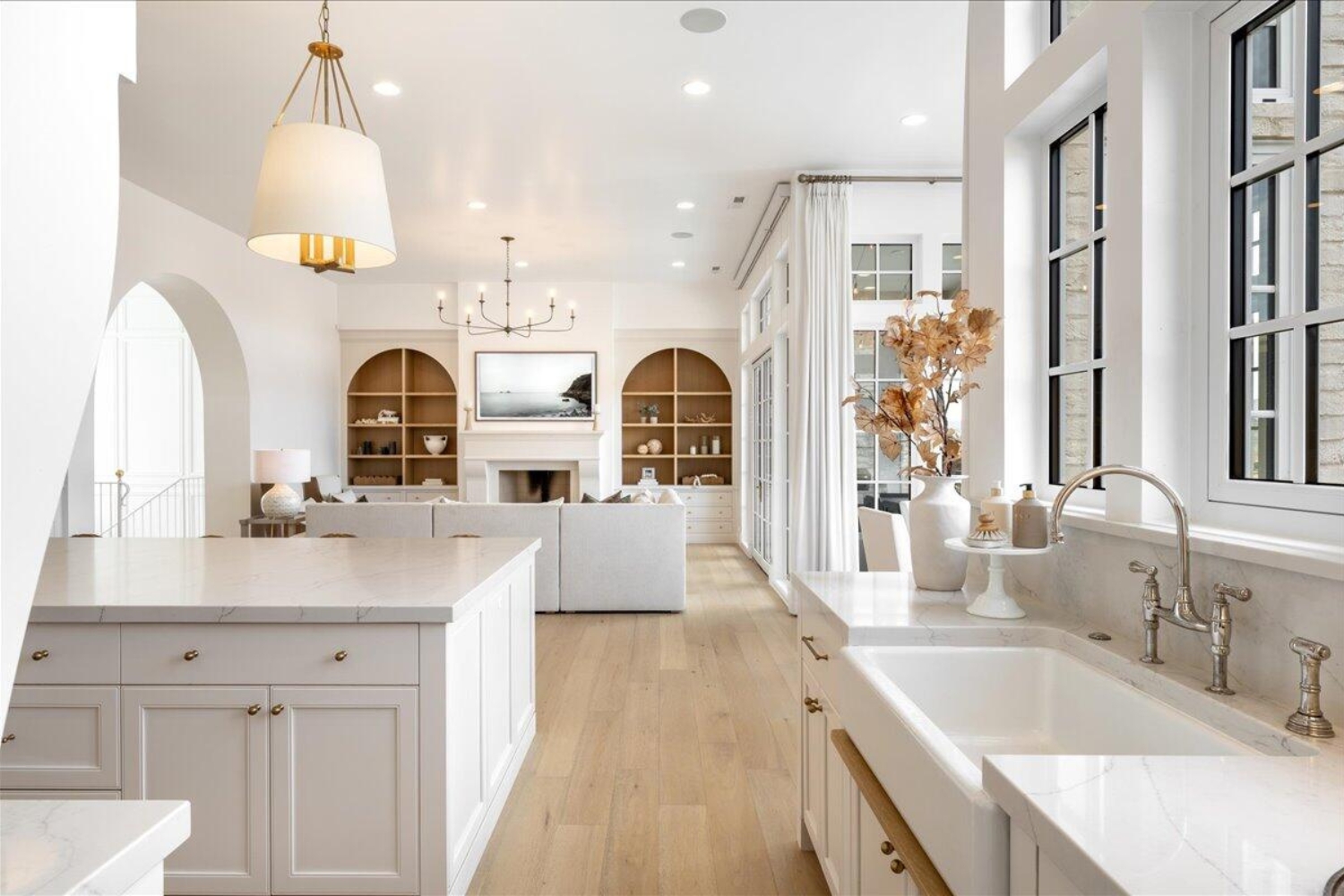
Selling a High-End Home in St. George: What Buyers Notice First
Selling a High-End Home in St. George: What Buyers Notice First
When sellers prepare a high-end home for the St. George market, it is natural to focus on the property's most impressive features: the kitchen, pool, views, square footage, upgrades, or architectural details. Buyers notice those things too, but their first impression often begins before they consciously evaluate any individual feature.
They are deciding how the property feels.
Does it feel well maintained? Does the design feel cohesive? Does the home take advantage of its Southern Utah setting? Can they immediately imagine themselves living there?
At the higher end of the market, these impressions matter because buyers generally have alternatives. A beautiful home can lose some of its impact when presentation distracts from its strongest features, while thoughtful preparation can make the property's value much easier to recognize.
As discussed in What Luxury Buyers Actually Care About in St. George Homes, buyers are evaluating more than a list of amenities. They are evaluating the entire experience of the property.
The First Impression Begins Before Buyers Enter the Home
A showing does not begin at the front door.
Buyers begin forming an opinion as they approach the property. The neighborhood, neighboring homes, landscaping, driveway, exterior condition, architecture, and entry all contribute to the initial impression.
In Southern Utah, landscaping deserves particular attention. A desert landscape does not need to be lush to feel high quality. Clean rock, healthy plants, maintained trees, attractive hardscaping, and intentional design can create a polished appearance while remaining appropriate for the climate.
Small maintenance issues are also more noticeable at higher price points. Faded exterior finishes, dirty windows, damaged trim, neglected landscaping, or an uninviting entry can subtly influence how buyers perceive the rest of the property.
The goal is not to make a home look artificially perfect. It is to remove unnecessary distractions so buyers can appreciate what makes the property special.
Buyers Notice Whether the Home Feels Cohesive
One of the first things buyers experience inside a home is whether the spaces feel connected.
They may not consciously say, "This house has good visual continuity," but they notice when flooring, paint, lighting, furnishings, and finishes work well together.
They also notice the opposite.
A home with several competing styles, inconsistent updates, overly personalized spaces, or rooms that feel disconnected from one another can make it more difficult for buyers to understand the property's overall identity.
This does not mean sellers need to remodel an entire home before listing. Often, smaller adjustments can create significant improvement: simplifying furnishings, updating selected lighting, reducing visual clutter, using consistent linens, or removing items that distract from the architecture.
The objective is to let the home become the focus.
Natural Light Can Change the Entire Experience
Lighting has an enormous influence on how buyers perceive a home.
Before a showing, window coverings should generally be positioned to take advantage of natural light and important views. Interior lights should complement that natural light rather than leaving darker areas of the home feeling overlooked.
Clean windows are especially important when a property has views.
If one of the home's strongest assets is a view of Pine Valley Mountain, red cliffs, a golf course, or the surrounding desert landscape, buyers should notice it immediately rather than looking through dusty glass or heavy window treatments.
In many St. George properties, the relationship between the interior and the surrounding landscape is part of the home's value. Presentation should reinforce that relationship.
Buyers Pay Attention to the Floor Plan and How They Would Live in It
Square footage may bring buyers through the door, but functionality often influences how they feel once they are inside.
Buyers notice whether the kitchen connects naturally to the main living areas, whether there is adequate storage, how the primary suite is positioned, whether guest spaces provide privacy, and how indoor spaces connect with the backyard.
Furniture placement can either clarify or complicate that experience.
Rooms filled with too much furniture may appear smaller than they actually are. An awkward arrangement can make an otherwise functional space feel difficult to use.
The purpose of staging and preparation is not simply to make rooms attractive. It is to help buyers immediately understand how each space works.
This is particularly important in larger homes, where unused rooms can sometimes leave buyers wondering what they would do with the space.
Outdoor Living Is Often Evaluated as Part of the Home
In St. George, the backyard is rarely just the backyard.
For many higher-end buyers, outdoor living is part of the home's usable living environment. Pools, covered patios, outdoor kitchens, fireplaces, landscaping, seating areas, and views can significantly influence how buyers respond to a property.
The key is making those spaces feel intentional.
Patio furniture should help buyers understand how the area can be used. Landscaping should feel maintained. Pool areas should be clean. Unnecessary items should be removed so they do not compete with the setting.
If a home has an exceptional view, the outdoor presentation should direct attention toward it.
As discussed in What Luxury Buyers Expect in Outdoor Living Spaces in Southern Utah, the strongest outdoor spaces are not necessarily the largest. They are the ones that make buyers imagine spending time there.
Buyers Notice Condition More Than Sellers Sometimes Expect
When someone has lived in a home for years, it is easy to stop noticing small imperfections.
Buyers see the property with fresh eyes.
Scuffed walls, worn doors, damaged baseboards, burned-out bulbs, loose hardware, aging caulk, stained carpet, or minor exterior repairs can accumulate into an impression that the home has not been carefully maintained.
Individually, these issues may be inexpensive to correct. Collectively, they can affect buyer confidence.
This is especially relevant with high-end homes because buyers may expect the condition of the property to align with its price.
Before listing, I prefer to identify these smaller items and decide which ones are worth addressing rather than allowing buyers to discover them during their first showing.
That is part of the strategy discussed in How to Prepare a Luxury Home for Sale in St. George, Utah.
Personalization Can Affect How Buyers Experience the Home
A seller's home should still feel warm and inviting. It does not need to become sterile.
However, excessive personalization can make it more difficult for buyers to picture the home as their own.
Large collections, numerous family photographs, highly specific décor, crowded shelves, and very personalized rooms can pull attention away from the property itself.
The goal is not to erase the seller from the home. It is to create enough visual simplicity that buyers can begin imagining their own lives there.
This is where thoughtful editing is often more valuable than adding additional décor.
Buyers Notice What Cannot Be Changed
Some of the most important characteristics buyers notice are not things a seller can improve before listing.
Lot position, privacy, orientation, views, neighborhood, surrounding properties, and location are inherent to the home.
Instead of trying to compensate for these characteristics, marketing should understand them.
If the home has an exceptional elevated view, that should be one of the central elements of its presentation. If privacy is the defining feature, photography and marketing should communicate that. If the property has an unusually large lot or valuable garage configuration, buyers who care about those features should recognize them quickly.
This is why successful high-end marketing begins with identifying what genuinely differentiates the property.
As explained in Luxury Home Marketing in St. George: What Actually Works, effective marketing is not simply about exposing the home to more people. It is about communicating the right characteristics to the buyers most likely to value them.
Buyers Also Notice When the Price and Presentation Do Not Match
Presentation and pricing cannot be separated.
A buyer walking into a beautifully maintained, thoughtfully presented home may understand why it occupies the upper end of its competitive range.
If the asking price suggests an exceptional property but the condition and presentation do not support that expectation, buyers notice the disconnect quickly.
This is why I prefer to establish the pricing and preparation strategies together rather than treating them as separate decisions.
In What Luxury Home Sellers in St. George Should Know Before Choosing a List Price, I explain why sellers should evaluate their property through the eyes of buyers who will be comparing it with everything else available in the same general price range.
The home needs to compete both financially and emotionally.
What Should Sellers Focus on Before Listing?
Every property is different, so I would not recommend that every seller complete the same checklist or make the same improvements.
Instead, I would start by identifying the home's strongest characteristics and the distractions that could prevent buyers from appreciating them.
That evaluation may include:
Exterior and entry presentation
Landscaping
Windows and natural light
Paint and minor repairs
Flooring condition
Furniture placement
Personal items and visual clutter
Lighting
Kitchen and bathroom presentation
Outdoor living spaces
Pool and patio condition
Views and sight lines
Storage and garage presentation
The question behind each decision should be simple:
Does this help the buyer see the home's value more clearly?
If the answer is yes, it may be worth addressing.
Professional Presentation Begins Online
For many buyers, the true first impression of a home happens before they ever arrive for a showing.
It happens online.
Photography, video, the primary listing image, property description, and the order in which features are presented can determine whether someone decides to see the home in person.
This makes preparation even more important because the property needs to photograph well before it can show well.
An exceptional backyard should not be buried at the end of the photo gallery. A dramatic view should be communicated early. A home's strongest architectural features should be photographed in a way that makes them easy to understand.
The online presentation should give buyers a reason to want the in-person experience.
Final Perspective
High-end buyers in St. George notice much more than expensive finishes.
They notice how the home has been cared for, whether the design feels cohesive, how natural light and views interact with the interior, how the floor plan supports daily life, and whether the outdoor spaces feel like a meaningful extension of the home.
Most importantly, they notice whether the entire property feels consistent with the price being asked.
Preparing a high-end home for sale is therefore not about making every property look the same. It is about identifying what makes that particular home desirable and removing the distractions that prevent buyers from recognizing it.
When presentation, pricing, and marketing all support the same story, buyers can understand the value of the home much more clearly.
About the Author
Aleesha Robinson is a luxury real estate agent in St. George, Utah, specializing in high-quality and luxury homes throughout Southern Utah, including St. George, Ivins, Washington, Santa Clara, and Hurricane. She works with buyers and sellers who value local expertise, discretion, and a seamless real estate experience.